


Share Your Feedback: Review Alpine Heating & Sheetmetal LLC
Getting your furnace or heat pump ready for winter means making sure it keeps your Orofino home warm, runs efficiently, and operates safely through long cold stretches. This guide shows how seasonal prep lowers the chance of breakdowns, trims energy use, and preserves indoor air quality. You’ll get straightforward explanations of the maintenance actions that matter—clearing airflow paths, calibrating controls, and checking combustion safety—and how those steps save money and extend equipment life. Below we cover why maintenance matters, what a professional tune-up includes, an easy homeowner checklist, and how Alpine Heating and Sheetmetal LLC supports winter readiness with maintenance plans and Daikin equipment options. Read on for practical checklists, technician walk-throughs, side-by-side task comparisons, and tips for scheduling preventive service before mid-winter emergencies.
Why Is Winter Furnace Maintenance Crucial for Your Home?
Winter furnace maintenance is a proactive inspection and service routine that cleans, adjusts, and verifies heating equipment so it stays reliable, efficient, and safe during cold weather. Proper maintenance restores airflow, keeps combustion parts within spec, and spots worn components before they fail—Direct results are lower energy use and fewer emergency repairs. In Orofino, extended low temperatures mean heaters run longer and parts see more stress, so small issues can escalate quickly; taking care of them before winter cuts the risk of unexpected outages. The sections that follow explain specific risks from neglected systems, the efficiency gains you can expect from routine winterization, and practical steps to schedule professional maintenance. If you want peace of mind, consider booking service early in the season and ask about local HVAC maintenance plans that offer priority visits.
What Risks Do Unmaintained Heating Systems Pose in Winter?
When heating systems go unmaintained, they’re more likely to break down, cost more to run, and create safety hazards during winter. Dust, worn parts, and out-of-spec controls reduce performance and create failure points. Common problems include clogged filters that choke airflow and cause overheating, failing blower motors that limit heat delivery, and degraded ignition or burner parts that lead to incomplete combustion—any of which can cut heat when you need it most. Safety risks include cracked heat exchangers or bad combustion that raise carbon monoxide concerns, and frozen condensate lines in high-efficiency systems that block drains and force shutdowns. Watch for warning signs like odd noises, uneven room temperatures, higher energy bills, or tripped safety switches—those are signals to book an inspection before a small issue becomes an emergency.
How Does Proper Winter Prep Improve Heating Efficiency?
The right winter prep helps your system deliver more usable heat for every unit of fuel or electricity. Cleaning or replacing filters, sealing and insulating ducts, calibrating thermostats, and checking the heat exchanger and burners reduce wasted energy from short-cycling and poor heat transfer. Routine maintenance typically lowers fan power draw and improves heat exchange, producing measurable savings over a season and extending component life. Knowing which tasks yield the biggest returns makes it easier to prioritize maintenance—next we explain what a professional tune-up includes and why each step matters.
- Reduced Breakdown Risk: Prevents mid-season failures and emergency repairs. Routine service catches small issues before they become big, costly problems.
- Lower Energy Costs: Restored efficiency means less fuel or electricity use. A well-tuned system runs smoother and can lower your heating bills.
- Improved Safety: Finds combustion and carbon monoxide hazards before they become dangerous. Safety checks protect your family and home.
Because of these benefits, scheduling a preventive tune-up is one of the most cost-effective steps a homeowner can take before cold weather arrives.
What Are the Key Steps in a Professional Heating Tune-Up?
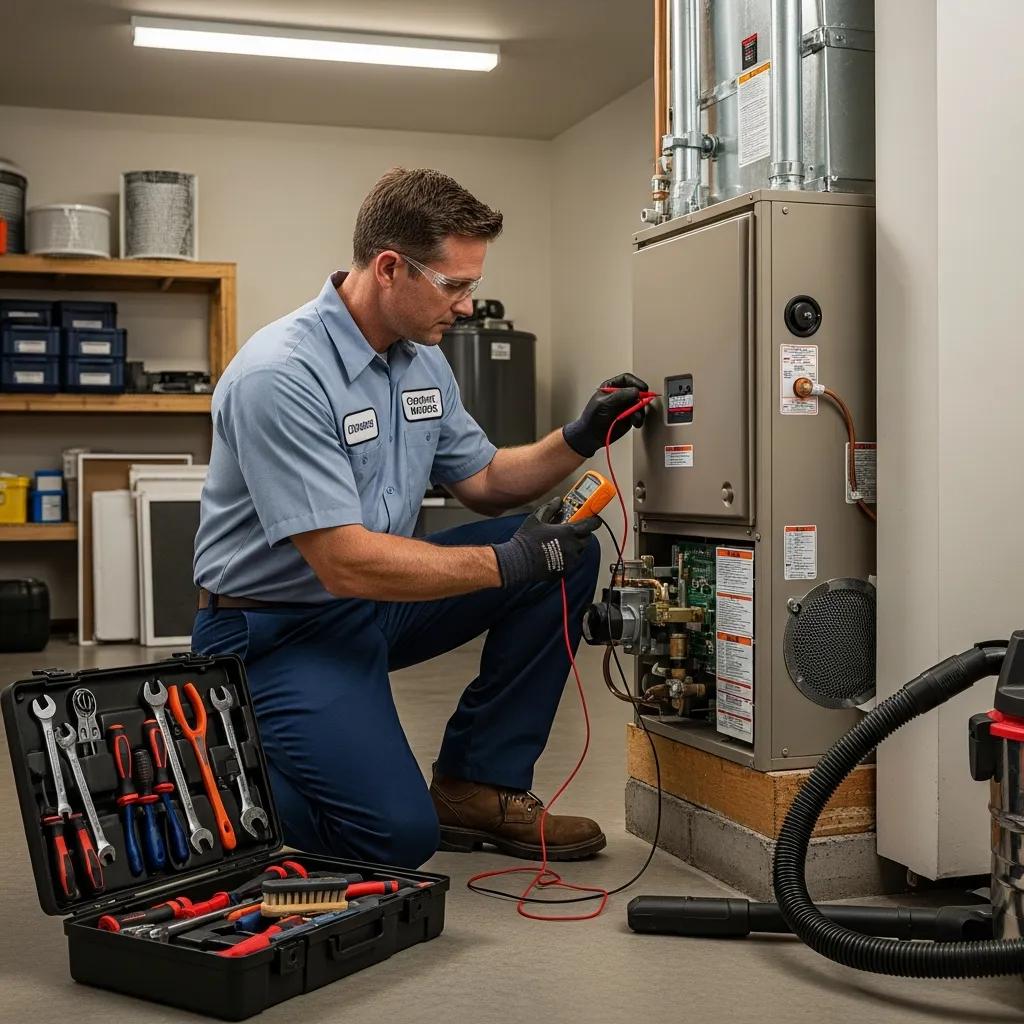
A professional heating tune-up is a step-by-step inspection and service routine that confirms safety, restores efficiency, and optimizes system performance. A trained technician will perform visual inspections and instrument checks of combustion and electrical systems, clean and lubricate moving parts, verify filters and airflow, calibrate controls and thermostats, and run functional tests under load to confirm reliable operation. Each task addresses common winter failure modes: combustion checks reduce CO risk, blower service restores airflow, and thermostat calibration limits excessive cycling. The table below compares common tune-up tasks with what technicians inspect or service and the main benefit to homeowners.
The table below compares common tune-up tasks, what technicians typically examine or service, and the concrete benefits homeowners can expect from each action.
| Tune-Up Task | Inspection / Service Performed | Primary Benefit |
|---|---|---|
| Combustion and heat exchanger check | Visual inspection, combustion analysis, check for cracks or leaks | Confidence in safety and carbon monoxide prevention |
| Burner and ignition service | Clean burners, test ignitor and flame sensors | Reliable starts and cleaner, more efficient combustion |
| Blower, motor, and airflow tuning | Clean blower wheel, test motor amp draw, measure airflow | Even heat distribution and lower energy use |
| Filter replacement and duct check | Replace filter, inspect supply/return vents, check for obstructions | Improved airflow, less system strain, better indoor air quality |
| Thermostat calibration and control testing | Calibrate setpoints, test cycles, verify wiring | Accurate temperature control and reduced short-cycling |
This comparison shows how targeted technician tasks translate into real safety, efficiency, and reliability gains; next we’ll outline the diagnostics technicians use and typical findings that help prevent mid-winter failures.
How Do Experts Inspect and Service Your Furnace?
Technicians follow a clear diagnostic workflow: start with a visual inspection, then use instruments to check combustion, airflow, and electrical performance so each subsystem meets manufacturer specs. Common tools include combustion analyzers to measure flame quality and CO, multimeters for electrical testing, and anemometers or pitot tubes to evaluate airflow. These checks help identify drifted settings, worn bearings, or clogged passages before they cause a shutdown. Typical findings include dirty burners, weak blower motor performance, restricted filters, and thermostat calibration issues; addressing these during a tune-up restores safety margins and heating capacity. Technicians also document recommended repairs or replacements and explain which fixes give the best value for long-term reliability.
The table below details specific tune-up tasks, what technicians look for during each inspection, and the homeowner benefit of that test.
| Inspection Area | What Technician Checks | Homeowner Benefit |
|---|---|---|
| Combustion analysis | Flame composition, CO levels, venting integrity | Reduces safety risks and keeps combustion efficient |
| Airflow measurement | Static pressure, supply vs. return balance | Ensures even heating and reduces component wear |
| Electrical checks | Voltage, current draw, thermostat wiring | Prevents motor failure and intermittent electrical faults |
This structured approach reduces uncertainty and prevents small problems from becoming emergency repairs. Next we’ll localize the benefits for Orofino homeowners and explain how winterization lowers service calls and seasonal costs.
What Benefits Does a Furnace Winterization Service in Orofino Provide?
A local winterization focuses on the stresses long cold spells place on heating equipment in and around Orofino. Winterization reduces the risk of mid-season failures by replacing worn parts, sealing weak duct connections, and clearing condensate and venting paths—steps that cut emergency callouts and keep homes comfortable during cold snaps. Homeowners typically notice faster system response and more even room temperatures after winterization, plus potential seasonal energy savings when static pressure and burner efficiency are restored. If you live in Clearwater or nearby counties, scheduling a winterization early helps secure service before demand peaks. This proactive step pairs well with maintenance plans that provide recurring inspections and priority scheduling through the busy winter months.
How Can Homeowners Perform a Heating System Winter Prep Checklist?
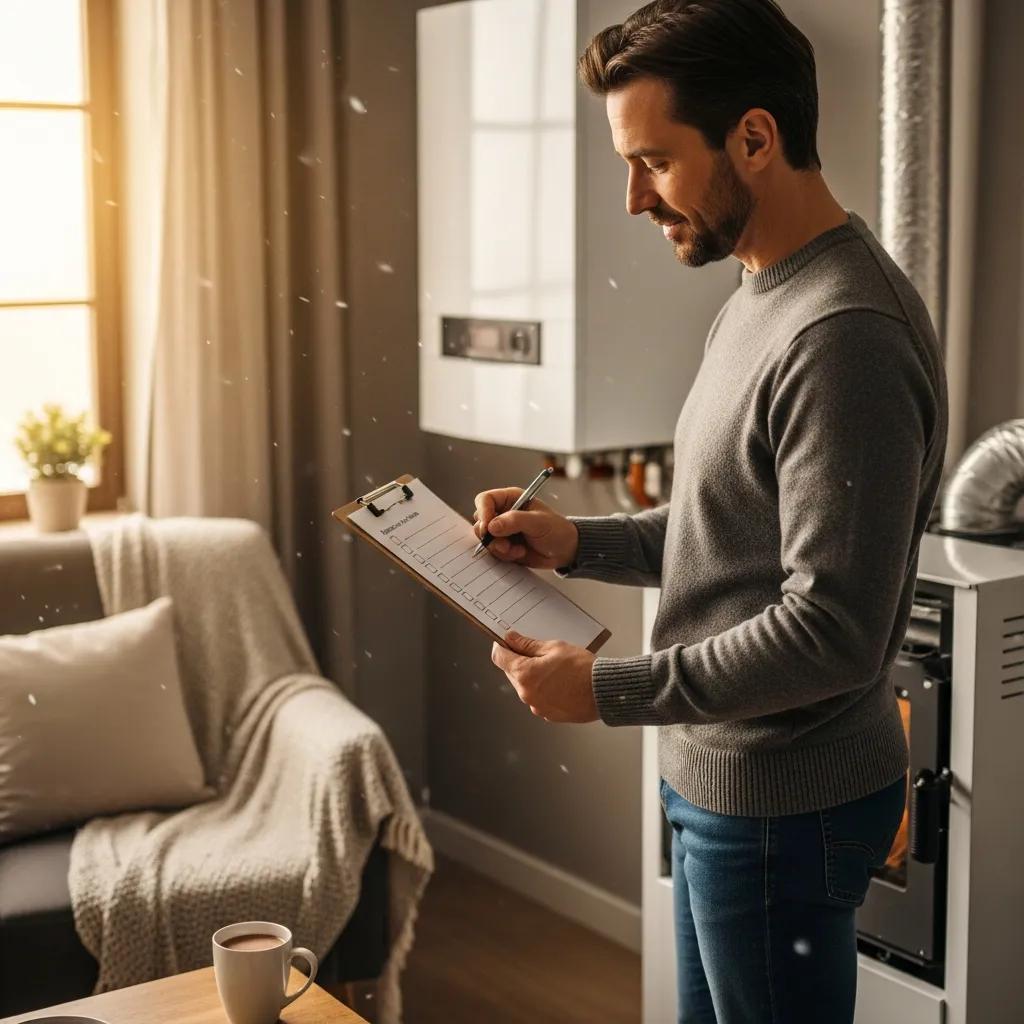
There are several safe, high-impact checks homeowners can do without special tools to improve heating readiness. Focus on airflow, controls, and visible safety items: replace filters, clear vents, confirm thermostat schedules, inspect visible ductwork and vent terminations, and test carbon monoxide detectors. These DIY checks improve day-to-day function and help you spot warning signs that need a pro—persistent cycling, uneven temperatures, or odd smells during operation. The checklist below gives clear, actionable items to complete before peak cold, with guidance on when to call a professional.
The checklist below outlines homeowner-friendly tasks to prepare heating systems for winter and the expected result of each check.
- Replace the Air Filter: A clean filter keeps airflow strong and reduces system strain. Regular replacement prevents dust buildup that can lead to overheating and poor performance.
- Clear Supply and Return Vents: Unblocked vents ensure balanced heat in every room. Move furniture or drapes away from registers to help maintain even temperatures.
- Program and Test the Thermostat: Proper scheduling avoids unnecessary run-time. Set sensible setbacks and verify the thermostat reads temperature accurately to save energy and stay comfortable.
- Inspect Visible Ductwork and Vents: Look for loose connections, gaps, or disconnected ducts. Sealing visible leaks can improve efficiency and lower heating costs.
- Test Carbon Monoxide and Smoke Alarms: Check batteries and operation before the heating season. Working detectors are essential whenever combustion appliances run.
These DIY steps are low-risk and high-impact. If you see discoloration around vents, frequent cycling, or loud motor noises, call a professional technician for a full inspection and repair plan.
Which DIY Checks Help Ensure Heating System Readiness?
Several homeowner tasks reliably boost system reliability and efficiency and can be done safely: filter replacement, vent clearance, thermostat programming, and a basic start-up observation. Swapping a disposable filter or cleaning a reusable one restores airflow and reduces blower load. Clearing furniture and drapes from registers helps rooms warm evenly. Programming setbacks with recovery time cuts runtime while keeping comfort, and a quick visual check of the furnace area for debris, corrosion, or odd smells can reveal early warning signs. While these steps handle many common issues, persistent technical symptoms—frequent cycling, visible combustion abnormalities, or electrical faults—should prompt a professional visit to avoid safety risks or further damage.
The EAV table below lists DIY checks, the expected immediate result, and when the homeowner should call a professional for further action.
| Homeowner Check | Expected Result | When to Call a Professional |
|---|---|---|
| Filter replacement | Improved airflow and reduced blower strain | If filters clog unusually fast or the system still overheats |
| Vent and register clearance | More even room temperatures | If rooms stay cold or zone imbalances persist |
| Thermostat scheduling | Reduced runtime and consistent comfort | If the thermostat won’t hold setpoints or misreads temperature |
| Visual furnace area inspection | Early detection of leaks, debris, or corrosion | If you notice unusual odors, soot, or visible damage |
This table helps you separate simple tasks you can safely do from conditions that need a trained technician. Next we list clear red flags that should prompt you to contact Alpine Heating for professional help.
When Should You Call Alpine Heating for Professional Assistance?
Call Alpine Heating and Sheetmetal LLC when symptoms point to internal faults, safety hazards, or problems beyond homeowner maintenance—examples include persistent uneven heating, loud or unusual furnace noises, frequent short-cycling, visible soot or burning odors, and any carbon monoxide alarm activation. Acting quickly on these red flags reduces the chance of catastrophic failure and limits heat loss during cold spells; booking a diagnostic visit early often means smaller, less expensive repairs than waiting for a full outage. Alpine Heating serves homes across Clearwater, Idaho, Nez Perce, and Lewis counties and offers priority winter scheduling to shorten emergency wait times. If you spot any of these warning signs, request a professional inspection to keep your home safe and comfortable all season.
- Frequent Cycling or Short-Cycling: May indicate airflow or sizing issues. Ongoing cycling causes extra wear and raises energy use—get it checked.
- Unusual Smells or Visible Soot: Possible combustion or venting problems. These signs can point to incomplete combustion or blocked vents that threaten safety.
- Cold Spots or Uneven Heating: Could signal duct leaks or failing components. Uneven temperatures reduce comfort and often mean a technician should inspect the system.
These problems are best handled by a qualified technician—early intervention prevents escalation. Next we explain how Alpine Heating structures its services to support winter readiness.
How Does Alpine Heating Support Your HVAC Winter Readiness?
Alpine Heating and Sheetmetal LLC helps homeowners prepare for winter with professional furnace tune-ups, maintenance plans, heat pump service, and equipment guidance tailored to our local climate. As a locally owned company based in Orofino, ID, we serve Clearwater, Idaho, Nez Perce, and Lewis counties and specialize in furnace repair and replacement, routine maintenance, heat pumps, indoor air quality, and system tune-ups. Our maintenance plans offer recurring inspections, seasonal priority scheduling, and discounts on parts and labor to reduce emergency calls and spread upkeep costs over time. As a Daikin Comfort Pro, we have experience with Daikin equipment and cold-climate heat pump solutions; homeowners interested in heat pumps can consult with us for a performance comparison versus a conventional furnace.
The table below compares typical service offerings, what’s included, and the customer benefit so you can choose the right plan or product.
| Service / Plan | What’s Included | Customer Benefit |
|---|---|---|
| Seasonal tune-up | Inspection, combustion check, filter change, airflow tuning | Immediate safety and efficiency improvements |
| Preventive maintenance plan | Recurring inspections, priority scheduling, discounts on repairs | Peace of mind and lower lifecycle costs |
| Heat pump service / Daikin support | Cold-weather performance checks, defrost cycle verification | Reliable heat pump operation and winter efficiency |
This comparison clarifies how service tiers map to real customer outcomes. The next sections describe plan features, financing options, and Daikin equipment performance so you can make an informed choice.
What HVAC Maintenance Plans and Financing Options Are Available?
Maintenance plans bundle scheduled inspections and priority access with perks that make winter readiness more affordable and predictable—typically two annual visits, diagnostic testing, and discounts on repairs and replacement parts. These features catch issues early and give homeowners scheduling priority during peak winter demand. For larger upgrades or replacements, financing options can spread the cost of new equipment so efficiency improvements are easier to afford. Alpine Heating frames maintenance plans as a value-driven way to protect homes through winter and offers financing to ease the cost of upgrades; ask about plan details and financing when you schedule service.
- Number of Included Inspections Per Year: Regular visits keep equipment in proactive care and catch problems early.
- Priority Scheduling: Shorter wait times when demand spikes in winter—helps avoid long delays when you need service.
- Discounts on Repairs and Parts: Lowers the total lifecycle cost of equipment—savings that add up over time.
These plan elements make maintenance plans a practical choice for homeowners seeking predictable, worry-free winter performance.
The EAV table below shows plan types, core inclusions, and customer outcomes to help compare options.
| Plan Type | Core Inclusions | Outcome for Homeowner |
|---|---|---|
| Basic Maintenance | One annual tune-up, safety checks | Baseline safety and performance |
| Preferred Plan | Two tune-ups, priority scheduling, parts discount | Better protection and cost savings |
| Upgrade / Replacement Support | Equipment evaluation, financing assistance | Smoother upgrades with manageable payments |
This comparison helps you match service levels to your budget and reliability needs. Next we cover how Daikin systems perform in cold weather and when a heat pump might be the right choice.
How Do Daikin Equipment and Heat Pumps Perform in Winter?
Modern Daikin heat pumps—when properly sized and installed—are built to deliver dependable heating in cold climates using refrigerant and controls that maintain efficiency at lower outdoor temperatures. Compared with conventional furnaces, heat pumps often provide higher seasonal efficiency because they move heat instead of creating it, which can lower operating costs. Their effectiveness depends on proper sizing, good insulation, and backup strategies for extreme cold. As a Daikin Comfort Pro, Alpine Heating can help evaluate whether a cold-climate heat pump fits your home by checking ductwork condition, expected efficiency gains, and financing to offset installation costs. When deciding between a heat pump and a furnace, consider local weather, desired energy savings, and whether your home’s envelope supports efficient heat-pump operation.
- Desire for Higher Seasonal Efficiency: Heat pumps can lower annual heating costs by using electricity more efficiently.
- Good Existing Ductwork and Insulation: Proper sealing and insulation maximize heat-pump benefits and overall performance.
- Interest in Combined Heating and Cooling Efficiency: Heat pumps handle both, providing year-round climate control with a single system.
These factors help guide equipment decisions tied to winter readiness. Alpine Heating can evaluate options with professional testing and tailor a service plan that fits your home.
| Plan / Product | Included Services | Customer Benefit |
|---|---|---|
| Seasonal Tune-Up | Inspection, cleaning, calibration | Immediate reliability and safety |
| Maintenance Plan | Scheduled visits, priority service | Long-term peace of mind and savings |
| Heat Pump Service | Cold-performance check, defrost tuning | Consistent winter efficiency |
This final comparison restates how service choices connect to homeowner outcomes and supports confident decisions about winter heating readiness.
Schedule Your Winter Heating System Tune-Up Today
Getting your heating system ready for winter protects comfort, safety, and your energy budget. At Alpine Heating and Sheetmetal LLC, we help you avoid unexpected breakdowns and high bills with professional tune-ups, maintenance plans, and cold-climate heat pump services. Don’t wait until the chill arrives—schedule a heating inspection and service now to enjoy a worry-free winter. Contact us today to book an appointment and learn how we can keep your home warm and efficient this season.
Conclusion
Preparing your heating system for winter delivers reliable warmth, better energy efficiency, and improved safety for your home. Follow the maintenance steps here to reduce breakdown risk and lower heating costs over the season. Take action now to secure comfort and peace of mind during the cold months—schedule a professional tune-up with Alpine Heating and Sheetmetal LLC today to make sure your home is ready for winter.