Ultimate Guide to Tankless Water Heaters: Installation, Efficiency, Costs, and Maintenance
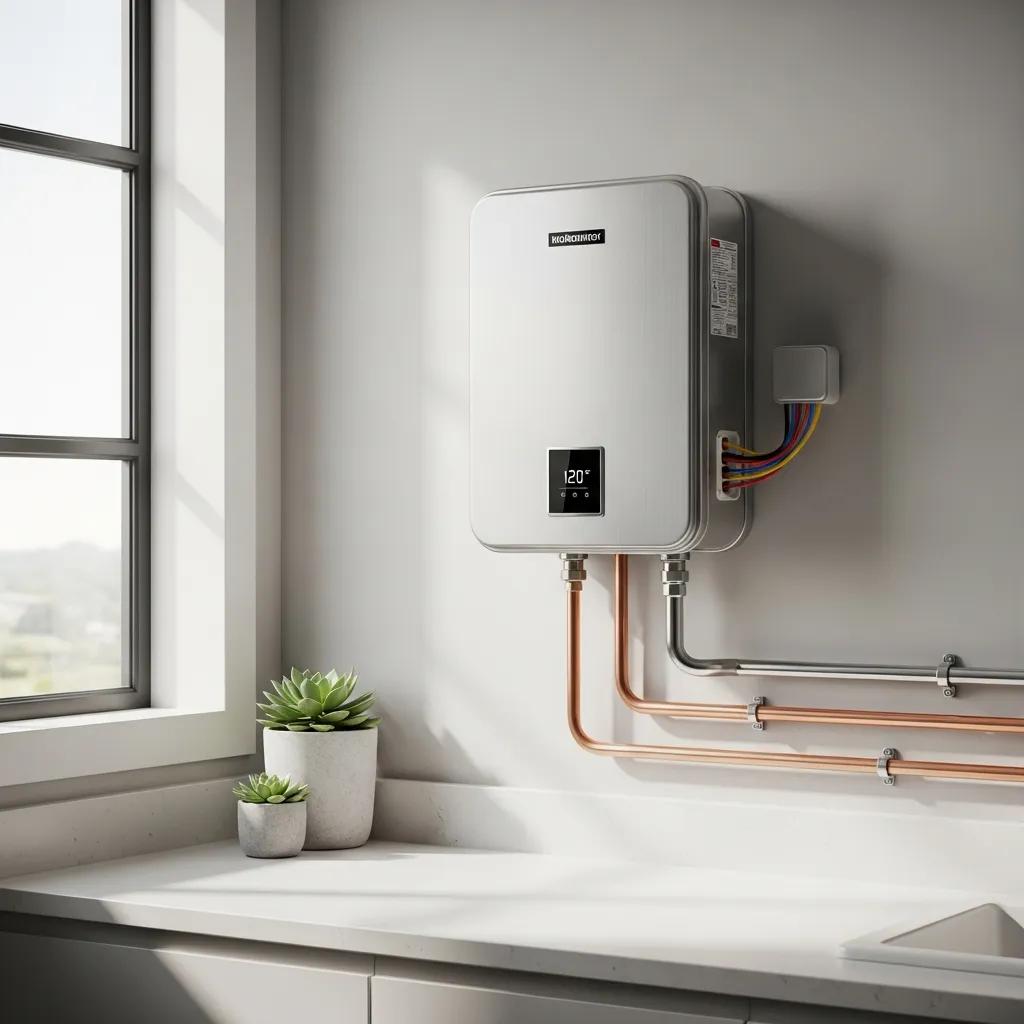
Tankless water heaters, also known as on-demand water heaters, are revolutionizing the way we think about hot water supply in our homes. Unlike traditional tank systems that store hot water, tankless models heat water directly as it flows through the unit, providing endless hot water on demand. This guide will delve into the workings, benefits, and installation of tankless water heaters, helping you understand their efficiency and cost-effectiveness. Many homeowners face challenges with energy consumption and hot water availability, but tankless systems offer a solution that can enhance comfort and reduce utility bills. We will explore the technology behind these systems, compare electric and gas options, and discuss installation and maintenance considerations.
What Are Tankless Water Heaters and How Do They Work?
Tankless water heaters are compact devices that heat water directly without the need for a storage tank. When a hot water tap is turned on, cold water travels through a pipe into the unit, where it is heated by either gas or electric elements. This process allows for a continuous supply of hot water, making it ideal for households with high hot water demands. The primary benefit of tankless systems is their energy efficiency; they only heat water when needed, which can lead to significant savings on energy bills compared to traditional tank heaters.
Understanding On Demand Water Heater Technology
On-demand water heater technology operates on the principle of instantaneous heating. When a faucet is opened, a flow sensor activates the heating elements, ensuring that water is heated as it passes through the unit. This technology not only provides hot water instantly but also minimizes energy waste, as there is no need to keep a large volume of water heated at all times. The efficiency of these systems is further enhanced by advanced insulation and heat exchangers, which maximize heat transfer and minimize energy loss.
Comparing Electric and Gas Tankless Water Heaters
When choosing between electric and gas tankless water heaters, several factors come into play, including energy efficiency, installation requirements, and cost considerations.
| Type | Energy Efficiency | Installation Cost | Operating Cost |
|---|---|---|---|
| Electric | High | Generally lower | Moderate |
| Gas | Moderate | Generally higher | Lower |
Electric models are generally easier to install and have lower upfront costs, making them a popular choice for many homeowners. However, gas models often provide higher flow rates and lower operating costs, especially in areas with lower gas prices. Understanding these differences can help you make an informed decision based on your specific needs and circumstances.
In practical terms, the choice often depends on site specifics: electric units may require sufficient electrical capacity and possibly a panel upgrade for whole-house systems, while gas units typically need appropriate gas line sizing and venting. Venting options for gas models include direct vent and power vent configurations, and some installations require condensate drainage or corrosion-resistant flues. Flow rate capability is another key consideration—higher-capacity gas units tend to support multiple simultaneous fixtures more easily, whereas electric units are commonly used for point-of-use or smaller whole-house needs. Discuss these technical requirements with a qualified installer to match the unit to your home’s infrastructure.
What Are the Key Benefits of Energy Efficient Tankless Water Heaters?
Energy-efficient tankless water heaters offer several advantages that make them an attractive option for homeowners:
- Energy Savings: By heating water only when needed, tankless systems can reduce energy consumption by up to 30% compared to traditional heaters.
- Endless Hot Water: These systems provide a continuous supply of hot water, eliminating the risk of running out during peak usage times.
- Longer Lifespan: Tankless water heaters typically last longer than traditional models, with a lifespan of 20 years or more, reducing replacement costs over time.
For those considering a switch, investing in a tankless water heater can lead to significant long-term savings and increased comfort.
Beyond lower operating losses, tankless units save space and provide installation flexibility because they are wall-mounted and compact. This can free up utility room or garage space and simplify retrofit projects in tighter areas. The environmental advantages are also notable: by reducing energy use and minimizing standby losses, tankless heaters can be part of a broader strategy to lower household carbon footprint when paired with efficient plumbing practices.
How Do Tankless Water Heaters Provide Endless Hot Water?
The mechanism behind the endless hot water supply of tankless heaters lies in their design. Unlike traditional systems that rely on a storage tank, tankless heaters heat water on demand. When a hot water tap is opened, cold water flows into the unit, where it is heated by either gas burners or electric coils. This process allows for an uninterrupted flow of hot water, making it ideal for households with multiple simultaneous hot water needs, such as showers, dishwashing, and laundry.
What Energy Savings Can Be Expected from Tankless Systems?
Tankless water heaters can lead to substantial energy savings, particularly for households that use hot water efficiently. Studies indicate that homeowners can save between 20% to 30% on their water heating bills by switching to a tankless system. The exact savings depend on factors such as the size of the household, hot water usage patterns, and the efficiency of the unit. Additionally, many models are designed to meet or exceed Energy Star ratings, ensuring that they operate at optimal efficiency.
Further analysis underscores how tankless systems contribute to these savings by eliminating the ‘standing losses’ inherent in traditional water heating methods.
Real-world savings vary with behavior: households that replace large storage tanks and reduce long periods of negligible hot water use tend to see the clearest gains. Additional contributors to realized savings include insulating hot water lines, avoiding long recirculation runs, and using low-flow fixtures where appropriate—small changes to daily hot water habits can amplify the efficiency benefits of a tankless installation.
How Is Tankless Water Heater Installation Performed and What Are the Costs?
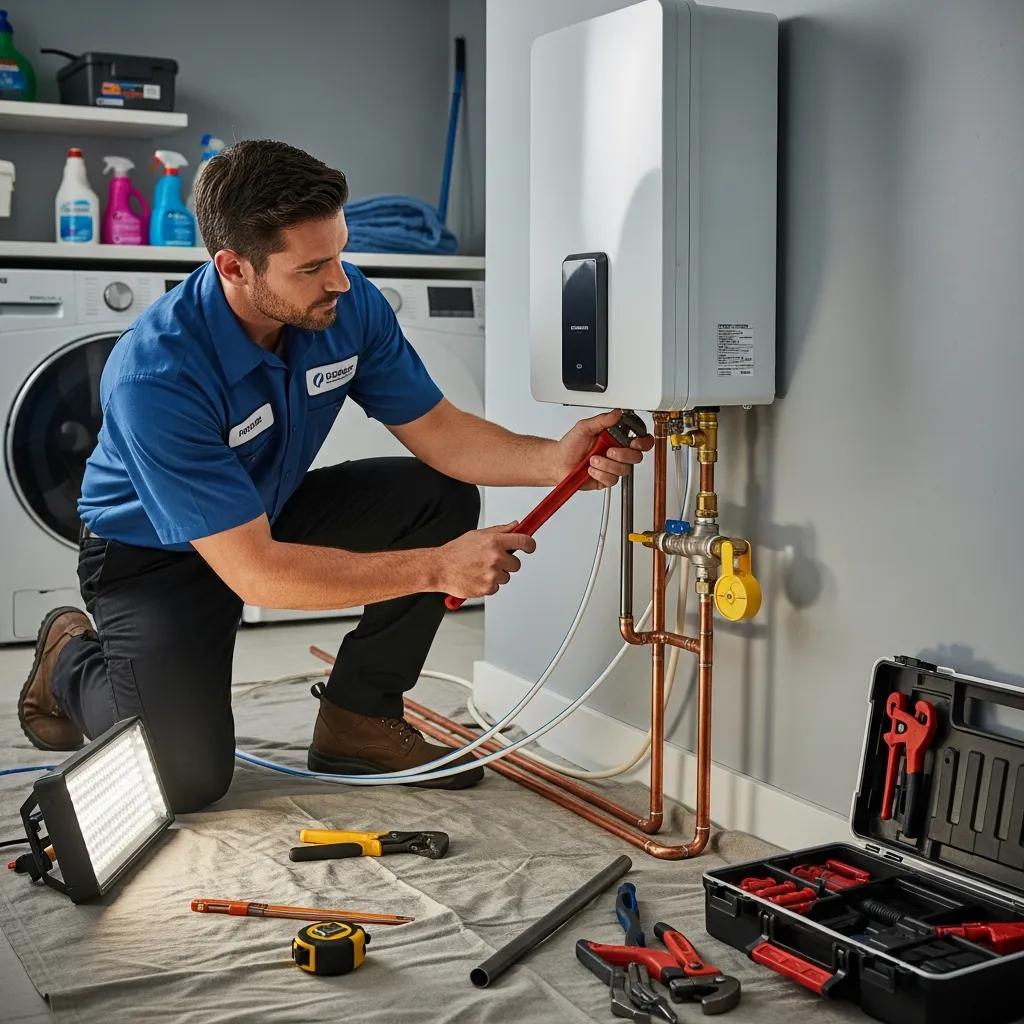
Installing a tankless water heater involves several steps, including assessing the existing plumbing and electrical systems, selecting the appropriate unit, and ensuring proper venting for gas models. The installation process typically includes:
- Site Assessment: Evaluating the location for the new unit and ensuring compatibility with existing systems.
- Unit Installation: Mounting the unit and connecting it to the water supply and power source.
- Testing: Ensuring the system operates correctly and efficiently.
The cost of installation can vary widely based on the complexity of the job and the type of unit chosen. On average, homeowners can expect to pay a moderate to high installation cost, depending on the unit and labor involved.
Beyond the base price of a unit and standard labor, common additional costs include permits, venting or flue upgrades, condensate drains for high-efficiency gas models, and any necessary gas line or electrical service upgrades. Permit timelines and local inspection requirements can affect the overall project schedule, so including them in early planning helps avoid surprises. A clear scope from the installer will identify optional upgrades versus required work so you can budget appropriately.
What Is the Step-by-Step Installation Process?
The installation of a tankless water heater can be broken down into several key steps:
- Pre-Installation Assessment: A professional will evaluate your home’s plumbing and electrical systems to determine the best location for the unit.
- Unit Selection: Choose a tankless model that meets your household’s hot water demands.
- Installation: The technician will mount the unit, connect it to the water supply, and ensure proper electrical or gas connections.
- Post-Installation Checks: After installation, the system will be tested to confirm it operates efficiently and meets safety standards.
Following these steps ensures a smooth installation process and optimal performance of your new tankless water heater.
What Factors Influence Tankless Water Heater Installation Costs?
Several factors can affect the installation costs of tankless water heaters, including:
- Type of Unit: Gas models typically require more complex venting systems, increasing installation costs.
- Existing Infrastructure: Homes that need significant plumbing or electrical upgrades will incur higher costs.
- Labor Rates: Installation costs can vary based on local labor rates and the complexity of the installation.
Understanding these factors can help homeowners budget effectively for their tankless water heater installation.
How Should Tankless Water Heaters Be Maintained for Optimal Performance?
To ensure optimal performance and longevity of tankless water heaters, regular maintenance is essential. Key maintenance practices include:
- Descaling: Regular descaling is necessary to prevent mineral buildup, especially in areas with hard water.
- Annual Inspections: Schedule annual inspections with a qualified technician to check for any potential issues.
- Filter Replacement: Replace any filters as recommended by the manufacturer to maintain water quality and system efficiency.
By adhering to these maintenance practices, homeowners can extend the lifespan of their tankless water heaters and ensure they operate at peak efficiency.
Basic descaling often involves circulating a descaling solution or manufacturer-recommended vinegar solution through the heat exchanger to remove scale deposits. This is typically done with an isolation kit and a pump during a service visit. Cleaning or replacing inlet strainers and checking pressure-relief valves are simple tasks that help maintain performance between professional visits. Always follow the manufacturer’s maintenance instructions to avoid voiding warranties.
What Are Recommended Maintenance Procedures and Frequency?
Regular maintenance of tankless water heaters is crucial for optimal performance. Recommended procedures include:
- Descaling: Every 6-12 months, depending on water hardness.
- Annual Professional Inspections: To check for leaks, corrosion, and overall system health.
- Filter Changes: As needed, typically every 6-12 months, to ensure clean water supply.
Following these guidelines can help prevent costly repairs and ensure the system operates efficiently.
In addition to periodic professional service, homeowners can perform visual checks monthly: inspect visible piping for leaks, confirm the vent termination is clear, and observe for any unusual noises or error-code displays. Keeping a simple maintenance log with dates of service, descaling, and part replacements helps maintain warranty compliance and makes future troubleshooting more efficient.
How to Troubleshoot Common Tankless Water Heater Issues?
Common issues with tankless water heaters can often be resolved with simple troubleshooting steps. Here are some common problems and their solutions:
- No Hot Water: Check the power supply or gas line; ensure the unit is receiving energy.
- Fluctuating Water Temperature: This may indicate a need for descaling or a problem with the heating elements.
- Low Water Pressure: Inspect for clogs in the inlet filter or plumbing.
If these troubleshooting steps do not resolve the issue, it may be time to contact a professional for assistance. Alpine Heating and Sheetmetal LLC specializes in troubleshooting and maintenance for tankless water heaters, ensuring your system runs smoothly.
When troubleshooting, record any error codes shown on the unit and the conditions when the problem occurs (time of day, number of fixtures in use, recent maintenance). Many units display diagnostic codes that a technician can interpret quickly, which can speed repairs and reduce service time. Simple resets after verifying power and fuel supply are acceptable in some cases, but persistent faults should always be evaluated by a trained technician.
Which Are the Best Tankless Water Heater Brands and Models Available?
When considering tankless water heaters, several brands stand out for their performance and reliability. Notable brands include:
- Rinnai: Known for high efficiency and advanced technology.
- Navien: Offers models with excellent flow rates and energy savings.
- Noritz: Renowned for durability and a wide range of options.
These brands provide a variety of models to suit different household needs, ensuring that homeowners can find the right fit for their hot water requirements.
How Do Rinnai, Navien, and Noritz Compare in Performance and Reliability?
| Brand | Performance | Reliability | Key Features |
|---|---|---|---|
| Rinnai | High | Excellent | Advanced technology, compact design |
| Navien | Very High | High | High flow rates, dual stainless steel heat exchangers |
| Noritz | High | Good | Durable construction, energy-efficient models |
These comparisons highlight the strengths of each brand, helping consumers make informed decisions based on their specific needs and preferences.
What Features Differentiate Top Tankless Water Heater Models?
Top tankless water heater models are distinguished by several key features that enhance their performance and user experience:
- Energy Efficiency Ratings: Look for models with high Energy Factor (EF) ratings for optimal savings.
- Flow Rate: Higher flow rates ensure that multiple outlets can be used simultaneously without a drop in temperature.
- Smart Technology: Some models offer Wi-Fi connectivity for remote monitoring and control.
These features can significantly impact the overall performance and satisfaction of tankless water heater systems.
What Commercial Tankless Water Heater Solutions Are Available in Orofino, ID and Surrounding Areas?
In Orofino, ID and surrounding areas, commercial tankless water heater solutions are available to meet the needs of businesses requiring high hot water demand. These systems are designed to handle larger volumes of water and can be customized to fit specific commercial applications. Alpine Heating and Sheetmetal LLC provides expert installation and maintenance services for commercial tankless systems, ensuring that businesses can rely on a consistent hot water supply.
Commercial setups often use multiple modules or cascaded units to provide redundancy and scale capacity as demand changes. This approach can improve reliability for businesses that cannot tolerate downtime, such as restaurants, lodging facilities, and certain manufacturing processes. Work with a local contractor to size systems appropriately for peak loads and to design service access for routine maintenance.
How Do Commercial Systems Differ from Residential Units?
Commercial tankless water heaters differ from residential units in several key aspects:
- Capacity: Commercial systems are designed to handle higher flow rates and larger volumes of hot water.
- Durability: Built to withstand more frequent use and higher demands, commercial units often feature more robust construction.
- Installation Complexity: Commercial installations may require more extensive plumbing and electrical work due to the scale of the system.
Understanding these differences is crucial for businesses looking to invest in tankless water heating solutions.
What Local Services Does Alpine Heating and Sheetmetal LLC Provide?
Alpine Heating and Sheetmetal LLC offers a range of services related to tankless water heaters, including:
- Installation: Professional installation of tankless systems tailored to your home or business needs.
- Maintenance: Regular maintenance services to ensure optimal performance and longevity of your unit.
- Repairs: Prompt repair services for any issues that may arise with your tankless water heater.
With a focus on customer satisfaction, Alpine Heating and Sheetmetal LLC is dedicated to providing high-quality service and expertise in tankless water heating solutions.
How Does the Regional Climate Impact Tankless Water Heater Performance in Idaho?
The regional climate in Idaho can significantly impact the performance of tankless water heaters. In colder climates, the incoming water temperature is lower, which can affect the unit’s ability to provide hot water efficiently. Homeowners should consider models with higher flow rates and better insulation to ensure optimal performance during the colder months. Additionally, regular maintenance is essential to prevent issues related to freezing temperatures.
Practical measures for cold climates include insulating exposed piping, installing freeze protection where practical, and ensuring vent terminations are placed to avoid ice buildup. For businesses and homes with extreme cold exposure, consult installers about models and installation practices specifically intended to maintain reliable operation in lower ambient temperatures.
What Are the Considerations for Clearwater, Nez Perce, and Lewis Counties?
When selecting a tankless water heater in Clearwater, ID, Nez Perce, ID, and Lewis Counties, ID, several local considerations should be taken into account:
- Water Hardness: Areas with hard water may require more frequent descaling to prevent mineral buildup.
- Household Size: Larger households may need units with higher flow rates to meet hot water demands.
- Local Climate: The colder climate can affect the efficiency of tankless systems, necessitating models designed for lower incoming water temperatures.
By considering these factors, homeowners can choose the most suitable tankless water heater for their specific needs.
How Does Climate Affect Energy Efficiency and System Longevity?
Climate plays a crucial role in the energy efficiency and longevity of tankless water heaters. In regions with extreme temperatures, the efficiency of these systems can be impacted by the temperature of the incoming water. Colder water requires more energy to heat, which can lead to increased energy consumption. Additionally, harsh climates may lead to more wear and tear on the system, potentially reducing its lifespan. Regular maintenance and choosing the right model for the local climate can help mitigate these effects.
Selecting appropriate accessories and installation practices—such as insulated lines, weatherproof housings for outdoor units, and routine checks before winter—will help maximize efficiency and service life in challenging climates.
How Can Customers Schedule Tankless Water Heater Services with Alpine Heating and Sheetmetal LLC?
Customers can easily schedule tankless water heater services with Alpine Heating and Sheetmetal LLC by contacting their office. The company offers flexible appointment options to accommodate various schedules, ensuring that homeowners can receive timely service. To schedule an appointment, customers can call 208-476-3489 or visit the office located at 639 Michigan Avenue, Orofino, ID 83544.
What Are the Available Service Appointment Options?
Alpine Heating and Sheetmetal LLC provides several service appointment options for customers, including:
- Standard Appointments: Regular service calls for installation, maintenance, and repairs.
- Emergency Services: Prompt response for urgent issues that require immediate attention.
- Flexible Scheduling: Options to accommodate customer availability, including evenings and weekends.
These service options ensure that customers receive the support they need when they need it.
How to Contact Alpine Heating and Sheetmetal LLC for Installation and Maintenance?
To contact Alpine Heating and Sheetmetal LLC for installation and maintenance services, customers can reach out via phone at 208-476-3489. The company is located at 639 Michigan Avenue, Orofino, ID 83544, and is ready to assist with any inquiries regarding tankless water heaters and related services.
Ready to Upgrade to a Tankless Water Heater?
Experience the benefits of endless hot water and energy savings with a professional installation from Alpine Heating and Sheetmetal LLC. Contact us today to discuss your needs and schedule your service appointment. Call Alpine Heating and Sheetmetal LLC Now.