


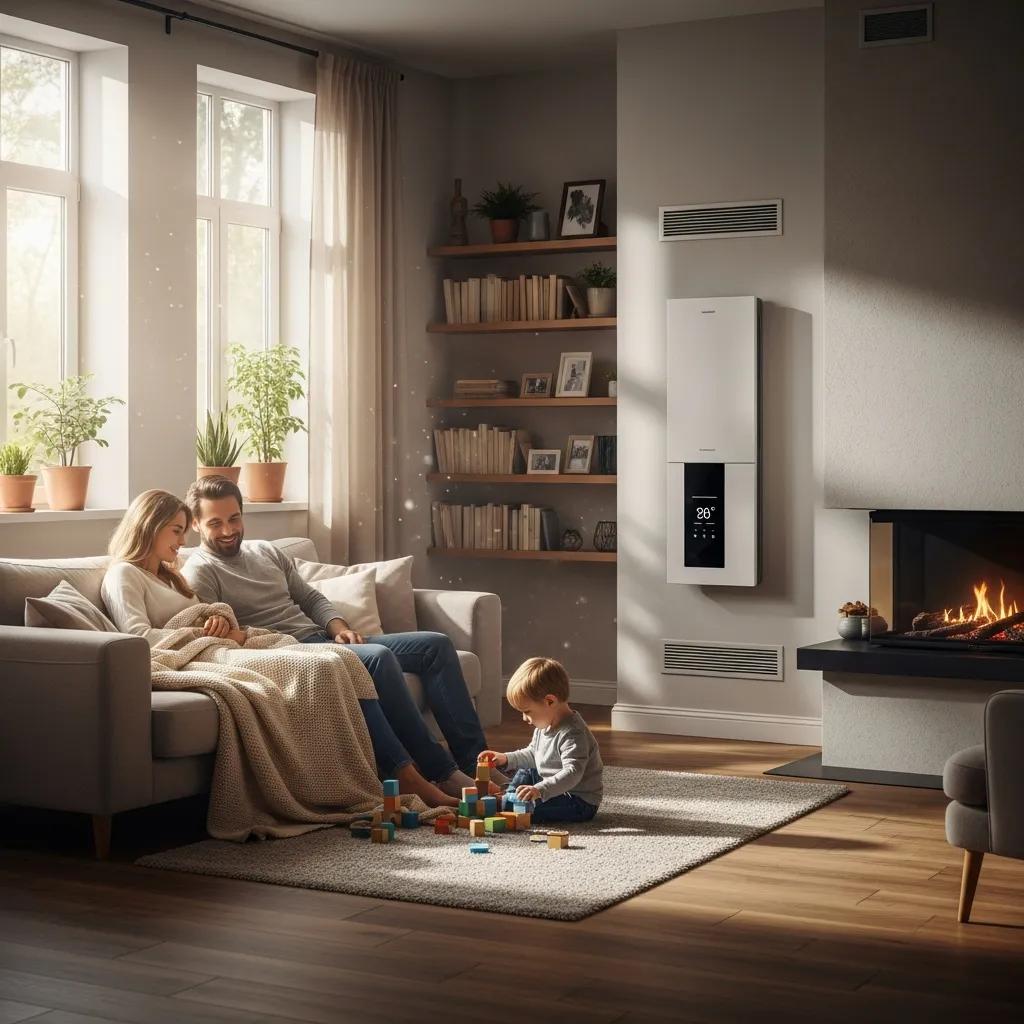
Ultimate Guide to Home HVAC Energy Savings — Lower Your Utility Bills and Boost Efficiency
Rising utility bills are a common problem for homeowners, often stemming from inefficient heating, ventilation, and air conditioning (HVAC) systems. This comprehensive guide provides practical, easy-to-follow steps to significantly improve HVAC efficiency, lower running costs, and maintain optimal home comfort. We delve into common causes of high bills, essential maintenance priorities, advanced efficient equipment options, and simple actions you can implement today to achieve lasting savings and a more comfortable living environment.
What Causes High Energy Bills in Home HVAC Systems?
High HVAC energy use usually stems from a few repeatable issues:
- Low Airflow: Dirty filters, blocked ducts, or a failing blower restrict airflow and make the system run longer. Replace filters regularly and clear obstructions.
- Inconsistent Temperature Control: Blocked vents or an improperly set thermostat causes uneven rooms and extra runtime. Proper thermostat setup and vent management help balance the house.
- Ductwork Issues: Leaky or poorly insulated ducts let conditioned air escape. Sealing and insulating ducts reduces waste and improves comfort.
- Cooling Inefficiencies: Incorrect thermostat settings or failing controls lengthen cooling cycles. Programmable or smart thermostats run the system only when needed.
- Aging or Outdated Equipment: Older HVAC units often lack the efficiency features of modern systems, leading to higher energy consumption as components wear down. Upgrading can offer substantial long-term benefits.
Addressing these problems restores efficiency and reduces bills. Alpine Heating and Sheetmetal LLC offers maintenance and diagnostics to identify and fix these inefficiencies—schedule maintenance with us for a checkup.
How Do Inefficient HVAC Systems Increase Energy Consumption?
Inefficient systems often waste energy because airflow is restricted or ducts leak; the equipment runs longer to reach set temperatures. Improving airflow, sealing ducts, and keeping components clean cuts runtime and lowers energy use.
What Role Does Poor Maintenance Play in Energy Waste?
Skipping routine maintenance forces equipment to work harder and shortens service life. Dirty filters and neglected outdoor units reduce performance and can turn small issues into costly repairs. Prioritize scheduled service and schedule a service visit to keep your system efficient.
Which Energy Efficient HVAC Systems Offer the Best Savings?
Upgrading to efficient equipment can deliver clear savings. Common strong performers include:
Knowing what drives homeowners to choose efficient systems — and the savings they can expect — helps make the decision clearer.
- High-Efficiency HVAC Systems: Modern components like variable-speed motors and improved heat exchangers deliver the same comfort with less energy.
- Daikin Heat Pumps: Inverter-driven compressors adjust output to demand, reducing runtime and improving SEER performance.
- ENERGY STAR Certified Systems: Tested for efficiency, ENERGY STAR models often qualify for rebates and can lower long-term costs.
- Smart Home Integration: While not a system type itself, integrating your HVAC with smart home technology allows for optimized scheduling, remote control, and energy usage insights, further enhancing efficiency.
Alpine Heating and Sheetmetal LLC can help compare options and review financing choices to find the right fit for your home.
How Do Daikin Heat Pumps Improve Home Heating and Cooling Efficiency?
Daikin heat pumps use inverter technology to match compressor speed to load, avoiding on/off cycling. That typically raises SEER ratings and reduces electricity use, delivering steadier comfort and lower bills over time.
What Are the Benefits of ENERGY STAR Certified HVAC Systems?
ENERGY STAR systems meet strict efficiency standards, which reduces energy use and environmental impact. Many utilities offer rebates on qualifying installations—ask about ENERGY STAR models that fit your budget.
How Can HVAC Maintenance Improve Energy Efficiency?
Routine maintenance is paramount to keeping HVAC systems operating at peak performance. Essential tasks like regular filter changes, thorough outdoor unit cleaning, and comprehensive annual inspections are crucial for maintaining optimal airflow and efficient heat exchange, preventing equipment from overworking. Beyond these basics, professional tune-ups are vital for identifying and rectifying subtle issues like refrigerant leaks, electrical problems, or installation flaws that can significantly compromise efficiency and lead to increased energy consumption.
What Are the Key Components of an Effective HVAC Maintenance Plan?

- Regular Air Filter Changes: Replace or clean filters every 1–3 months to maintain airflow and indoor air quality.
- Outdoor Unit Inspection and Cleaning: Keep the condenser area clear and clean coils and fins to ensure proper heat transfer.
- Annual Service Appointments: Have a technician inspect components, lubricate moving parts, and check refrigerant to catch issues early.
- Routine Tune-Ups: Periodic checks spot wear before failures occur and keep systems reliable.
- Indoor Air Quality Management: Upgraded filtration and air-cleaning options reduce pollutants and support efficient operation.
These steps extend equipment life and prevent costly failures. Contact us to set up a comprehensive maintenance plan for your home.
How Often Should HVAC Systems Be Serviced for Optimal Savings?
Have your HVAC system professionally serviced at least once a year and change filters every 1–3 months. Regular attention prevents small issues from becoming major energy drains and keeps bills lower.
What Simple Energy Saving Tips Can Lower Home Utility Bills?
Try these practical steps to reduce energy use and costs:
- Change Your Air Filters: Fresh filters improve airflow and efficiency.
- Keep the Area Around Your Heating System Clear: Remove clutter so air moves freely and equipment runs safely.
- Use Your Thermostat Wisely: Set comfortable daytime temperatures and dial back at night or when away; programmable or smart thermostats automate savings.
- Seal Your Home: Insulation, weatherstripping, and caulking reduce drafts and keep conditioned air inside.
- Check and Open Vents and Registers: Ensure vents aren’t blocked by furniture so rooms receive conditioned air.
- Optimize Window Treatments: Use blinds, curtains, or shades to block direct sunlight during hot months and retain heat during colder months, reducing the load on your HVAC system.
- Schedule Regular Maintenance: Annual tune-ups and routine checks keep systems efficient and reliable.
Adopt these habits and you’ll see improvements in comfort and monthly costs. Contact us to learn how we can help save energy in your home.
How Do Smart Thermostats Help Manage Energy Use?
Smart thermostats give remote control, scheduling, and maintenance alerts, reducing wasted runtime over time. Consider installation to automate temperature control and track usage.
Why Are Duct Sealing and Home Insulation Critical for HVAC Efficiency?
Sealing ducts and improving insulation prevent conditioned air from escaping so the system moves air where it belongs. Fixing leaks and adding insulation reduces runtime, improves comfort, and extends equipment life. Contact us for duct sealing and insulation services.
Additional research highlights how duct sealing can affect energy use in real homes.
| HVAC System Type | Efficiency Rating | Potential Annual Savings |
|---|---|---|
| High-Efficiency HVAC | 15+ SEER | Noticeable reductions in energy costs |
| Daikin Heat Pump | 20+ SEER | Substantial energy cost reductions |
| ENERGY STAR Certified | 15+ SEER | Significant savings on utility bills |
When combined with professional support from Alpine Heating and Sheetmetal LLC, these strategies can noticeably improve system efficiency, lower utility bills, and deliver more consistent comfort at home.
For personalized advice and maintenance plans, reach out to our team.
Conclusion
Improving your home’s HVAC efficiency is a smart investment that consistently pays off in enhanced comfort, increased system reliability, and significantly lower energy bills. By proactively addressing common problems, diligently adhering to routine maintenance schedules, and strategically considering energy-efficient equipment upgrades when the time is right, homeowners can achieve remarkable results. Remember, even small, consistent actions accumulate into substantial long-term savings and a more sustainable home environment. We are dedicated to helping you navigate these choices. Contact us today to explore personalized options tailored specifically to your home’s unique needs and start your journey toward greater energy independence.