


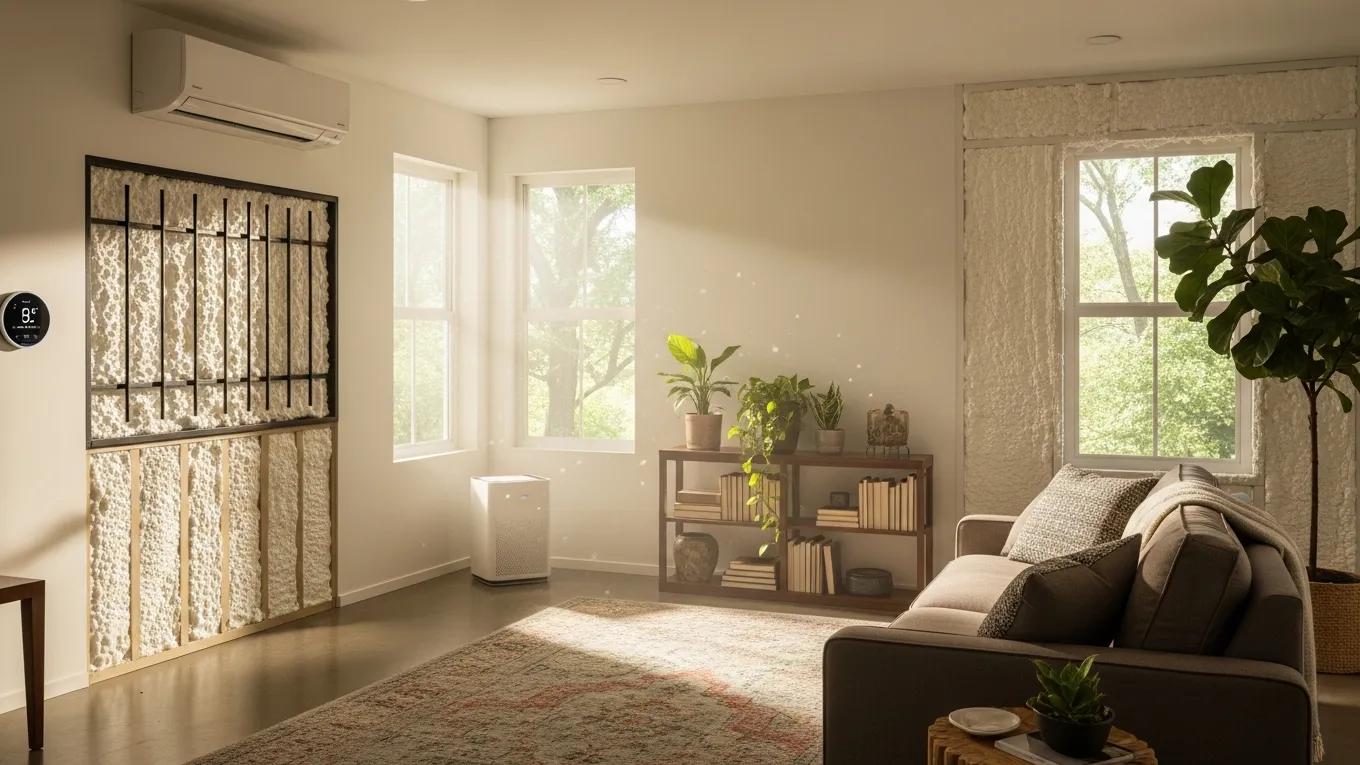
How Home Insulation Enhances HVAC Efficiency for Energy Savings and Reduced Heating Costs in Orofino, ID
At Alpine Heating & Sheetmetal LLC, we understand that effective home insulation is essential to maximizing HVAC efficiency, lowering energy consumption, and reducing heating costs in Orofino, ID. Insulation acts as a thermal barrier, limiting heat transfer through your home’s walls, attic, and floors, ensuring your indoor environment stays comfortable throughout the year. Many homeowners face challenges with high energy bills and inconsistent temperatures, often caused by poor or insufficient insulation. We want to guide you through the benefits of proper insulation, the types available, and how upgrading your home’s insulation can lead to significant energy and cost savings.
Understanding the Main Types of Home Insulation and Their Thermal Properties
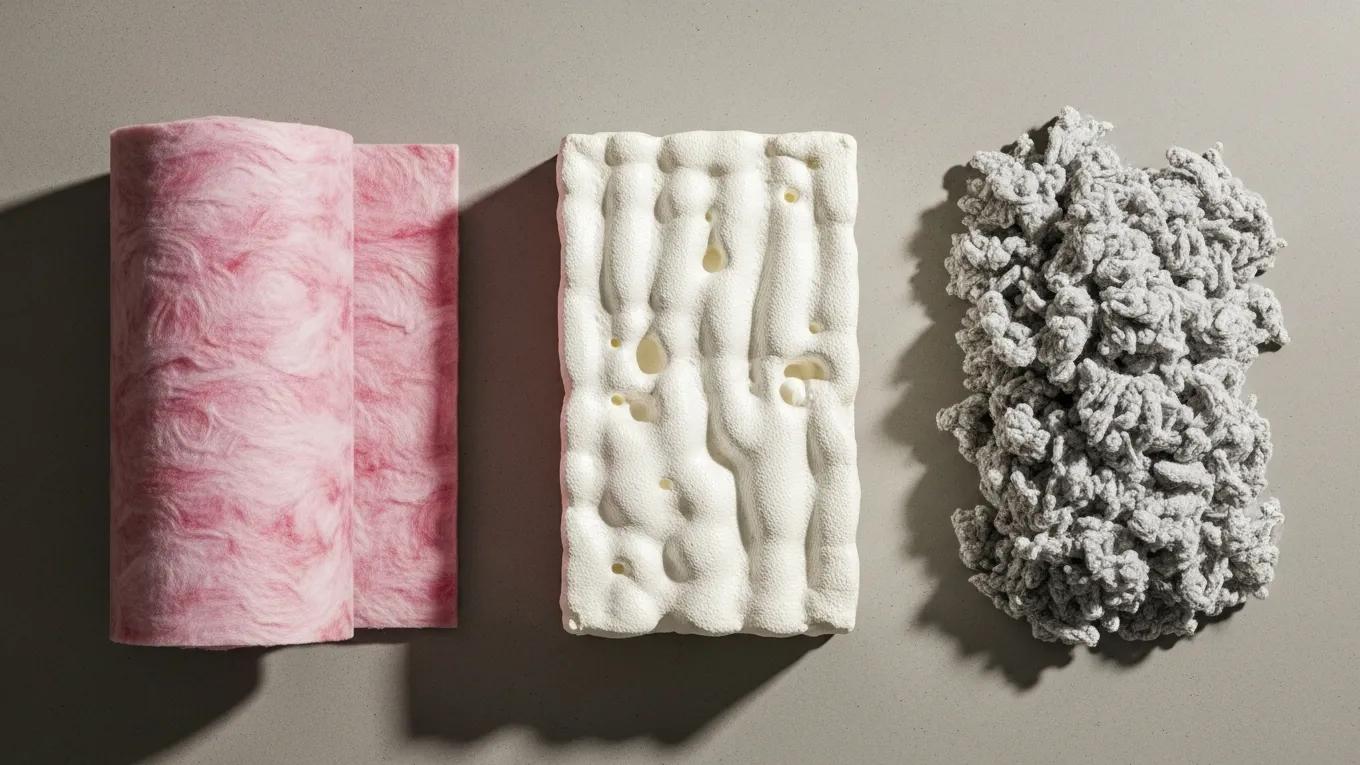
Choosing the right insulation material plays a crucial role in optimizing your HVAC system’s performance. We often recommend several types based on their thermal properties and suitability for Orofino’s climate.
- Fiberglass Insulation: This affordable option consists of tiny glass fibers designed to trap air and minimize heat transfer. Its R-value ranges roughly from 2.9 to 4.3 per inch, depending on installation and density. It’s a reliable choice for walls and attics in many Orofino homes.
- Spray Foam Insulation: Spray foam offers an impressive air seal, making it ideal for sealing irregular spaces. With an R-value around 6.0 to 7.0 per inch, it effectively prevents heat loss, enhancing overall energy savings.
- Cellulose Insulation: Made from recycled paper treated for fire resistance, cellulose is an eco-friendly option with an R-value between 3.1 to 3.7 per inch. It excels in attics and wall cavities by providing good coverage and thermal resistance.
We encourage homeowners in Orofino to consult with our professional team for expert installation, ensuring each material performs at its best in your home.
Comparing Wall and Attic Insulation Materials and Performance
To maximize insulation efficiency, it’s important to select materials based on the part of your home being insulated. Here’s how wall and attic insulation differ:
- Wall Insulation: We typically recommend fiberglass batts or rigid foam panels for walls, as these fill cavities effectively and provide a solid R-value. Selection depends on Orofino’s climate requirements and building codes to ensure proper thermal resistance.
- Attic Insulation: Loose-fill materials like cellulose or fiberglass are ideal for attics. They provide excellent coverage and can be blown in to reach higher R-values without consuming much space, helping to prevent heat loss through the roof.
Understanding these distinctions allows us to provide tailored insulation solutions suited for your home’s structure and energy goals.
The Importance of Insulation R-Value in Thermal Resistance and Reducing Heat Loss
At Alpine Heating & Sheetmetal LLC, we emphasize the significance of R-values when helping Orofino homeowners select insulation. The R-value measures resistance to heat flow, and higher values mean better insulation performance. Choosing insulation with appropriate R-values based on your home’s needs is vital to enhancing comfort and cutting energy expenses.
By selecting insulation with suitable R-values and ensuring proper installation, we help minimize heating and cooling energy consumption, enhancing your home’s overall energy efficiency.
How Heat Loss Occurs and Its Effect on HVAC Energy Use
Heat loss happens when warm air inside your home escapes outdoors and cold air infiltrates. In Orofino’s climate, this can significantly impact heating costs, especially in homes lacking sufficient insulation.
Heat loss involves several mechanisms:
- Conduction: Heat traveling through solid materials like walls and ceilings. The better the insulation resists conduction, the less energy your HVAC system uses.
- Convection: Air movement causing drafts and temperature inconsistencies. Proper sealing works hand-in-hand with insulation to prevent these heat losses.
- Radiation: Heat escaping through radiant surfaces, especially in attics. Reflective barriers can be installed to reduce radiant heat loss effectively.
Our expertise enables us to address all these mechanisms, ensuring your home is properly insulated and sealed for maximum energy savings.
Mechanisms of Heat Transfer through Building Envelopes
- Conduction: This occurs when heat passes directly through construction materials. We recommend insulation materials specifically designed to impede this transfer and increase your home’s thermal resistance.
- Convection: Drafts caused by air leaks can undermine insulation’s effectiveness. We focus on sealing gaps to curb unwanted airflow and improve HVAC efficiency.
- Radiation: Radiant heat loss requires specialized reflective insulation solutions in spaces like attics. We incorporate these techniques to combat heat escape effectively.
Sealing your building’s envelope tightly against these heat transfer methods is essential for optimizing HVAC function and reducing energy consumption in your Orofino home.
Reduced Heat Loss Boosts HVAC Efficiency and Lowers Energy Use
By minimizing heat loss through thorough insulation, your HVAC system doesn’t need to work as hard to maintain comfort levels. This directly translates into lowered energy use and heating costs.
We consistently observe that our properly insulated homes in Orofino achieve a decrease in HVAC energy consumption by approximately 20-30%, depending on initial conditions. Moreover, less strain on your HVAC system can prolong its lifespan, reducing maintenance costs and the need for early replacement.
Our Best Practices for Installing Home Insulation to Maximize HVAC Energy Savings
To ensure you experience the full benefits of insulation, we adhere to the highest standards and best installation practices.
- Choosing the Right Material: Our team evaluates your home’s needs and Orofino’s climate to select insulation materials that offer the best balance of performance and cost-effectiveness.
- Sealing Air Leaks: We never install insulation without first sealing air leaks thoroughly. This process eliminates drafts and boosts the insulation’s overall effectiveness.
- Considering R-Value: We recommend insulation with R-values appropriate for each area in your home, ensuring thermal resistance meets or exceeds local codes.
Applying these strategies allows us to optimize your home’s energy efficiency and comfort consistently.
Installation Techniques to Ensure Optimal Coverage and Minimize Thermal Bridging
Proper installation is just as important as material choice when it comes to performance. We focus on techniques that prevent heat bypass and thermal bridging.
- Batt Insulation Installation: We ensure fiberglass batts fit snugly within wall cavities without gaps and that they are securely fastened to maintain continuous insulation coverage.
- Foam Board Application: Foam boards are carefully adhered to prevent any gaps between panels, which could compromise insulation performance.
- Blown-In Insulation: Our blower-in process uses the right density and uniform application to prevent settling over time, guaranteeing thorough coverage especially in attics and irregular spaces.
Through meticulous installation, we maintain a consistent thermal barrier around your home, maximizing your HVAC efficiency and energy savings.
Energy and Cost Savings from Upgrading Home Insulation

Upgrading insulation in your Orofino, ID home can lead to significant reductions in energy consumption and heating costs. While exact savings vary, many homeowners report notable decreases in their monthly energy bills after insulation improvements.
- Annual Savings: Proper insulation often results in measurable reductions in heating and cooling expenses each year, which can substantially lessen the financial burden from utility costs.
- Return on Investment: Typically, homeowners in Orofino realize a return on their insulation investment within a few years through decreased energy expenditures and increased home comfort.
Potential Reductions in HVAC Energy Consumption with Advanced Insulation Materials
Utilizing advanced insulation materials such as spray foam or insulated concrete forms can further improve energy efficiency. These options offer higher R-values and superior air sealing properties, potentially cutting HVAC energy use by up to 30 to 40 percent. Beyond energy savings, these materials also contribute to better indoor air quality by reducing allergens and humidity, enhancing comfort for your family.
Typical Return on Investment Periods for Insulation Upgrades
The payback period for insulation upgrades generally ranges from five to ten years in Orofino, depending on your home’s size and the materials used. Though advanced insulation options may involve higher upfront costs, their improved energy savings can shorten this timeline, making them a worthy consideration for long-term benefits.
Energy Efficiency Standards and Incentives Supporting Home Insulation Improvements in Oregon
We stay informed about the latest standards and incentives to help you make cost-effective insulation upgrades.
- Energy Standards: The 2024 International Energy Conservation Code (IECC) updates encourage higher insulation R-values and stricter building envelope requirements to improve home energy efficiency.
- Incentives: Various state and local programs in Oregon provide tax credits and rebates to ease the cost of insulation upgrades, making it more affordable for homeowners to invest in energy-saving improvements.
2024 IECC Updates Regarding Insulation
These recent code changes emphasize enhanced insulation levels for new builds and renovations, aligning with our commitment to sustainable building practices and helping Portland homeowners reduce energy consumption and heating costs.
The Role of Energy Incentives in Encouraging Insulation Upgrades
Financial incentives can make a significant difference in encouraging homeowners to improve their insulation. By utilizing available tax credits or rebates, our clients can access better insulation solutions without bearing the full upfront costs, enabling wider adoption of energy-efficient technologies.
Assessing Your Current Insulation and HVAC System for Efficiency Opportunities
Knowing the status of your existing insulation and HVAC system is key to identifying areas for improvement. We offer guidance on how to evaluate your home’s efficiency to prioritize upgrades effectively.
- Conduct an Energy Audit: Hiring a professional or using self-assessment tools can pinpoint insulation gaps and HVAC inefficiencies, helping focus improvements where they are most needed.
- Identify Drafts and Temperature Inconsistencies: Feeling cold spots or drafts inside your home often signals poor insulation or air leaks. Addressing these issues improves comfort and cuts energy waste.
- Review Energy Bills: Analyzing your energy usage over different seasons reveals trends that may indicate insulation problems contributing to excessive heating or cooling demands.
Steps Involved in a Home Energy Audit Focused on Insulation and HVAC
Our comprehensive energy audits typically include:
- Initial Inspection: We examine the attic, walls, and crawl spaces to assess the type and condition of existing insulation.
- Thermal Imaging: Using infrared cameras, we detect areas of heat loss that may not be visible to the naked eye, identifying insulation deficiencies.
- Blower Door Test: This test quantifies air leakage in your home and helps us determine how effectively your insulation and sealing are working to contain conditioned air.
These diagnostic tools enable us to tailor recommendations that deliver maximum energy efficiency benefits.
Take the Next Step Toward Enhanced Energy Efficiency with Alpine Heating & Sheetmetal LLC
If you’re ready to improve your home’s insulation and boost your HVAC system’s efficiency in Orofino, ID, our experienced team at Alpine Heating & Sheetmetal LLC is here to help. We provide professional evaluation, expert installation, and personalized solutions to manage your energy costs and increase comfort.